

Most people treat skin issues as a cosmetic inconvenience until they realize that a rash or a persistent breakout is actually a systemic signal from the body. Finding the Best dermatologist in Vyara isn’t about searching for the most polished clinic front, but about finding a clinician who understands the specific environmental triggers of the Tapi district, from the humidity levels to the local water hardness that wreaks havoc on the skin barrier.
The friction usually starts with the “generalist trap.” Many patients visit a general physician for acne vulgaris or psoriasis, only to be handed a generic steroid cream that provides temporary relief while thinning the skin over time. By the time they seek a specialist, they are dealing with topical steroid withdrawal or worsened inflammation. A true skin specialist doesn’t just prescribe a cream; they diagnose the root cause, whether it’s hormonal imbalance, dietary triggers, or an allergic reaction to local pollutants.

When you evaluate a clinic, look at the diagnostic tools they actually use. If a provider relies solely on a visual glance, you’re getting a guess, not a diagnosis. A high-standard facility will utilize dermoscopy to examine pigmented lesions or skin biopsy for suspicious growths. This distinction is what separates a basic skin clinic from a comprehensive diagnostic center.
The reality of searching for the Best dermatologist in Vyara
The search for a specialist often devolves into reading five-star reviews that only mention the “friendly staff” or “clean waiting room.” Those are amenities, not medical expertise. To find a practitioner who can actually manage chronic urticaria or melasma, you have to look for clinical specificity. Does the doctor explain the mechanism of the medication, or do they just hand you a prescription slip?
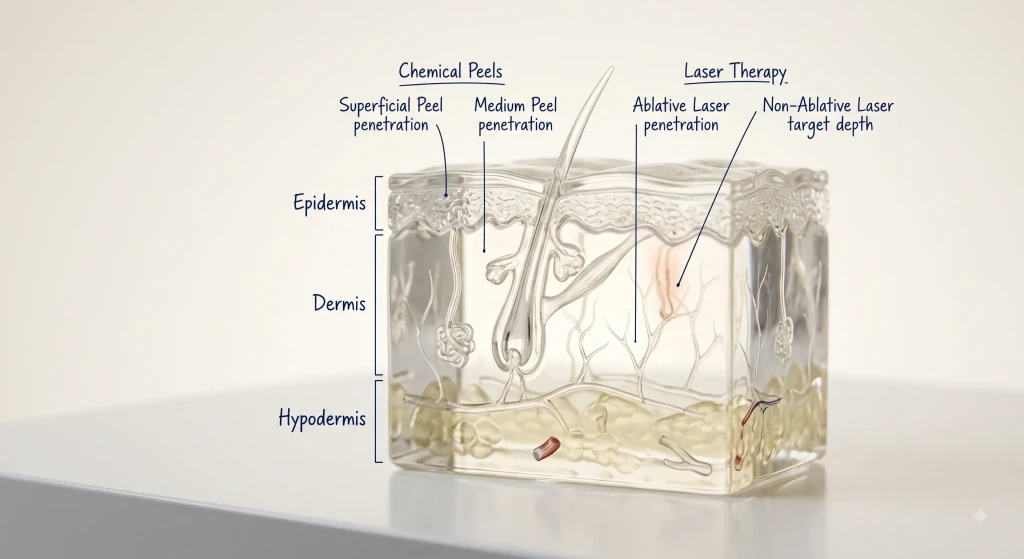
In Vyara, the challenge is often the overlap between cosmetic dermatology and medical dermatology. There is a growing trend of “skin clinics” that prioritize chemical peels and laser treatments over medical pathology. While aesthetic work is a valid part of the field, a doctor who pushes a luxury facial before ruling out a fungal infection is a red flag. The best practitioners maintain a strict boundary: medical stabilization first, cosmetic enhancement second.
Is a board-certified dermatologist always better?
In a word, yes. The difference between a general practitioner with a diploma in dermatology and a board-certified dermatologist is the depth of residency training. A certified specialist has spent years seeing rare manifestations of autoimmune skin diseases and knows how to differentiate between similar-looking rashes. If you are dealing with something beyond simple dryness, the specialized training matters because the wrong treatment can lead to permanent scarring or systemic absorption of potent medications.
Can you treat adult acne without harsh chemicals?
It depends on the grade of the acne. For mild cases, adjusting the skin barrier function through ceramides and non-comedogenic moisturizers works. However, for cystic acne, you often need isotretinoin or prescription retinoids. The trick is the titration. A skilled doctor won’t just put you on the highest dose; they will find the minimum effective dose to avoid severe dryness and mucosal irritation. This nuance is where experience beats a template-based approach.
Navigating the gap between diagnostics and treatment
A common failure in local healthcare is the fragmented journey. You visit a dermatologist, they suspect a systemic issue, and then they send you to a separate lab for blood work. By the time the results return, the patient has often started an incorrect treatment. This is why integrating pathology services with clinical consultation is a massive advantage. When the doctor can review the CBC or inflammatory markers in real time, the treatment plan changes from a trial-and-error method to a targeted strike.
For instance, if a patient presents with alopecia areata, the treatment isn’t just a topical lotion. It requires checking for thyroid dysfunction or other autoimmune markers. If the clinic has an internal diagnostic wing, these links are tighter and the patient doesn’t fall through the cracks.
Are expensive cosmetic procedures actually worth it?
Not always. The industry is full of “trendy” treatments that offer marginal gains. For example, some high-end facials provide a temporary glow that lasts 48 hours but do nothing for the skin’s health. Conversely, microneedling or PRP therapy can provide genuine structural improvement for scars and thinning hair, provided the patient is a good candidate. The litmus test for a trustworthy specialist is their willingness to tell you that a procedure is not necessary for your specific skin type.
Why does my skin react differently to the same cream?
Skin is a dynamic organ. Factors like the current humidity in Gujarat, your hydration levels, and even your stress hormones change how your skin absorbs and reacts to topicals. A “miracle cream” that worked for your neighbor might cause a contact dermatitis reaction for you. This is why personalized prescriptions are superior to over-the-counter recommendations. A specialist will often start with a patch test or a low-concentration formula to gauge your reactivity.
The most expensive treatment is the one that doesn’t work because it was prescribed for the wrong diagnosis.
Managing chronic skin conditions in a tropical climate
Living in Vyara means dealing with intense heat and fluctuating moisture. This environment is a breeding ground for tinea infections (fungal infections) and seborrheic dermatitis. The mistake many make is using over-the-counter antifungal powders that are too weak to clear the infection but strong enough to mask the symptoms. This leads to “masked infections” that are much harder to treat once they become resistant.
Managing these conditions requires a dual approach: pharmaceutical intervention to clear the pathogen and lifestyle modification to prevent recurrence. This includes everything from choosing the right fabric for clothing to managing sweat accumulation in skin folds. A practitioner who doesn’t discuss your daily habits during a consultation is missing half the picture. They should be asking about your soap, your laundry detergent, and your water source.

Furthermore, the psychological toll of skin conditions is often ignored. Chronic eczema or severe acne isn’t just a physical burden; it affects confidence and social interaction. The best clinicians treat the patient, not just the pathology. They provide a timeline for recovery, which manages expectations and reduces the anxiety that often leads patients to switch doctors every few weeks in search of a “quick fix.”
Do I need a specialist for simple pigmentation?
If the pigmentation is uniform and related to sun exposure, a good skincare routine with broad-spectrum sunscreen and vitamin C might suffice. However, if the spots are asymmetrical, changing color, or appearing in patches (like vitiligo or tinea versicolor), professional intervention is mandatory. Misdiagnosing a precancerous lesion as a simple “sun spot” is a risk no one should take. A quick professional screening is a small price for peace of mind.
How often should I get a skin check-up?
For most people, an annual skin screening is sufficient. However, if you have a history of frequent sunburns, a family history of melanoma, or an abundance of moles, quarterly checks are safer. The goal is to catch changes in the ABCDEs of moles (Asymmetry, Border, Color, Diameter, and Evolving) before they become problematic. Prevention is significantly easier and cheaper than treating advanced skin malignancies.
Ultimately, the quality of care comes down to the integration of clinical skill and diagnostic accuracy. When you combine a sharp diagnostic eye with a fully equipped laboratory, the path to recovery is shorter. You can view our about us page to learn more about our integrated approach to healthcare in the region.
Stop guessing with your skin. If you are looking for the Best dermatologist in Vyara, prioritize a clinic that balances medical rigor with a personalized treatment plan. Your skin is the first line of defense for your entire body; treat it with the clinical attention it deserves.
For professional diagnostic support and specialist consultations, visit us at Arihant Centre.
Frequently asked questions
How do I know if I need a dermatologist or a general physician?
If your issue involves persistent rashes, abnormal moles, severe acne, or hair loss, a dermatologist is the appropriate specialist. General physicians can handle basic infections, but chronic or complex skin conditions require specialized training in dermatology.
Are chemical peels safe for all skin types?
No. Chemical peels vary in intensity. While superficial peels are safe for most, deep peels can cause scarring or hyperpigmentation in darker skin tones if not performed by a professional. Always get a skin type analysis first.
How long does it take to see results from acne treatment?
Skin cells take about 28 days to renew. Most medical treatments for acne require 6 to 12 weeks of consistent use before a visible improvement occurs. Avoid switching medications too quickly, as this can irritate the skin further.
Can diet really affect my skin health?
Yes. High-glycemic foods and dairy can trigger acne in some individuals, while omega-3 fatty acids and hydration support the skin barrier. However, diet is a supporting factor, not a replacement for medical treatment in chronic cases.
What is the difference between a skin clinic and a diagnostic center?
A skin clinic focuses on treatment and aesthetics. A diagnostic center provides the testing (like blood work or biopsies) needed to confirm a diagnosis. The best outcomes happen when these two functions are integrated in one location.